
Social media for restaurants works when it makes nearby people hungry at the moment they decide where to eat, and then makes it easy to book, order or walk in. In 2026 that means Instagram plus one of Facebook or TikTok, three to five planned posts a week, accurate hours and links everywhere, a reply to every review, and a week of posts scheduled in one sitting.
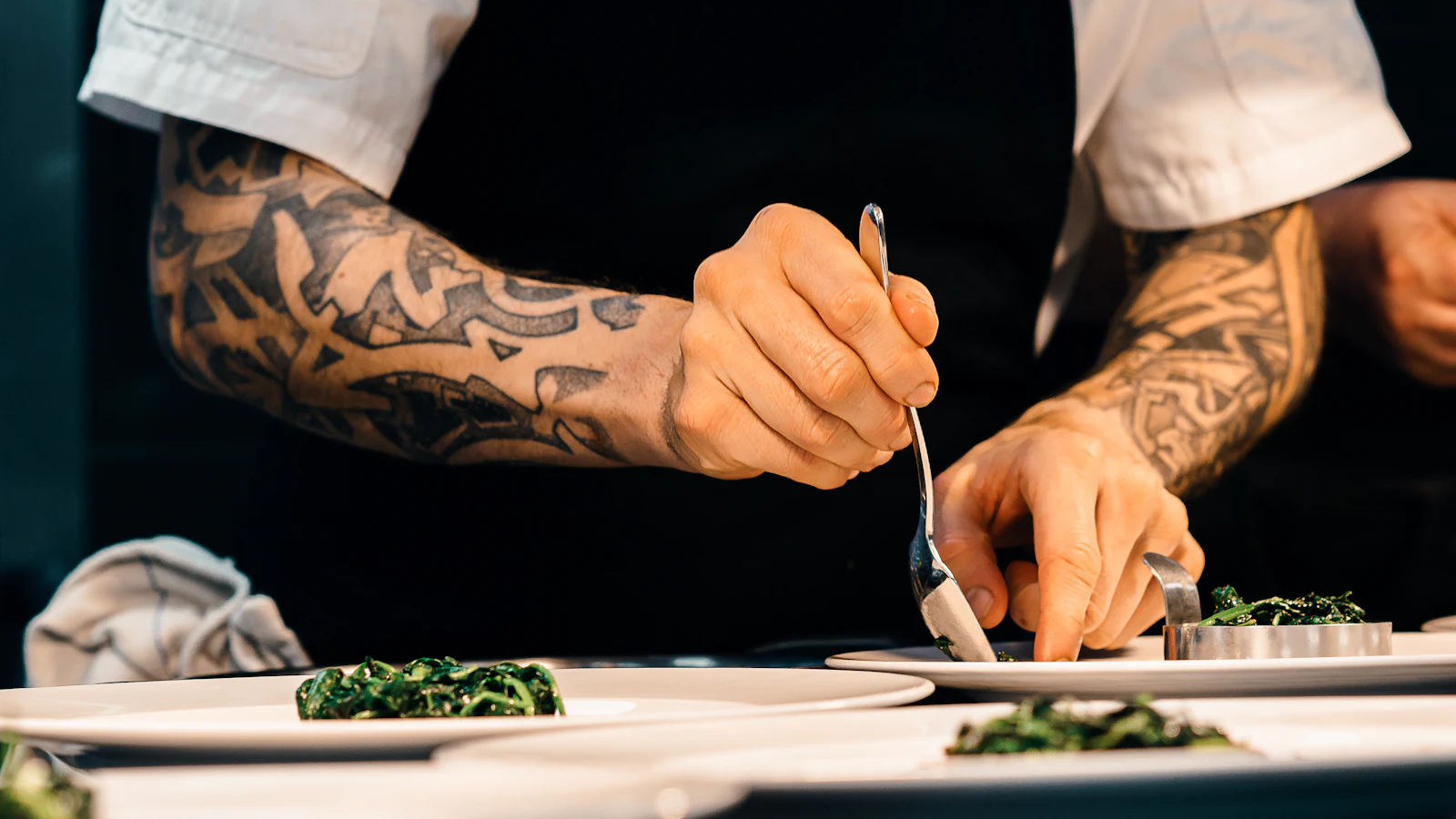
Most restaurant owners already know social media matters. The problem is time. Service eats the day, the person who "does the Instagram" is also running the pass, and posting ends up happening after a slow night, which is exactly the wrong moment. This guide replaces that with a system: a clear job for each platform, a content plan by day and by restaurant type, a review routine, a way to measure covers rather than likes, and a two-hour weekly routine you can hand to anyone on the team.
Throughout, we use three example businesses so you can see the advice applied: Juniper Roasters, a neighbourhood cafe; Casa Ondo, a family-run dinner restaurant taking bookings; and Smash Lab, a fast-casual burger counter that lives on delivery and lunch traffic.
Key findings: social media for restaurants in 2026
- Your audience is already on two platforms. According to Pew Research Center's 2025 survey of 5,022 US adults, 71% use Facebook and 50% use Instagram. Among 18 to 29 year olds, 80% use Instagram.
- Facebook still reaches the family-dinner crowd. Pew's social media fact sheet shows Facebook use at 80% among adults aged 30 to 49 and 74% among those aged 50 to 64, the people booking tables for four.
- TikTok now has a local feed. On 11 February 2026, TikTok introduced the Local Feed in the US, a home-screen tab that surfaces restaurant, event and shopping posts based on location, topic and when they were posted.
- Carousels beat single photos on Instagram. Buffer's State of Social Media Engagement 2026, built on more than 52 million posts, found a 6.90% median engagement rate for Instagram carousels against 4.44% for single images and 3.31% for Reels.
- Replies lift engagement. The same Buffer report estimates that replying to comments raises engagement by about 21% on Instagram and 9.5% on Facebook within the same account.
- Midday to early evening is the safe default. Sprout Social's analysis of nearly 2 billion engagements across about 307,000 profiles puts the strongest window across networks between 11 a.m. and 6 p.m. local time.
- Fake reviews are now a legal risk. The US Federal Trade Commission's final rule on reviews and testimonials bans buying reviews and offering incentives conditioned on a particular sentiment.
If you only do three things: keep hours and booking links correct everywhere, post on a fixed weekly rhythm built around your menu and people, and answer every review within a day or two. Those three habits beat any single viral video.
What has changed for restaurant social media in 2026
The basics of restaurant marketing have not changed: good food, a warm room, people who remember regulars. The platforms around them have, and five shifts from the last 18 months change how a restaurant should post.
Local discovery became a feature, not a hack
For years, restaurants relied on location tags and hoped a nearby food lover would stumble on them. TikTok's Local Feed formalises that. TikTok describes it as "a new tab on the TikTok home screen designed to help people stay connected to their community", showing travel, events, restaurant and shopping content alongside posts from small businesses and local creators. Posts appear based on location, topic and recency. Two practical consequences: content from private accounts and from posts set to Friends or Only You does not appear, and recency is part of the ranking, so a steady trickle of fresh posts matters more than one big video a quarter.
Instagram now rewards originality across every format
On 30 April 2026, Instagram extended its originality rules from Reels to photos and carousels. Accounts that mostly post other people's work "will no longer be shown in places where we recommend content", although followers still see them. For restaurants this matters in one specific way: an account that mostly reshares customer photos and creator videos risks losing recommendation reach. Reshares of guest content are still worth doing, but most of your recent posts should be things you shot yourself. Eligibility is reassessed over a rolling 30-day window.
Shares and saves count more than likes
Meta's Instagram Feed ranking explainer lists the predictions the system makes for each post, including how likely you are to share it in a direct message and how much time you are likely to spend on the author's profile afterwards. For a restaurant, those are exactly the actions that lead to a booking: someone sends your weekend special to a friend with "this Saturday?", or taps through to your profile to check the menu and hours. Content that is useful to share (a new dish, a dated event, a set menu with a price) tends to earn both.
Engagement rates fell on Instagram and rose on Facebook
Buffer's 2026 report found Instagram's median engagement rate fell about 26% from 2024 to 2025, while Facebook's rose about 11%. Buffer itself cautions that a falling engagement rate does not mean a platform is dying, partly because Instagram now pushes views as its main success measure. The practical read for restaurants: do not judge Instagram on likes alone, and do not write Facebook off just because your younger staff never open it.
The review rules got teeth
The FTC's rule, announced on 14 August 2024, covers reviews "that misrepresent that they are by someone who does not exist", reviews from people with no real experience of the business, and "providing compensation or other incentives conditioned on the writing of consumer reviews expressing a particular sentiment". It also bars using "unfounded or groundless legal threats, physical threats, intimidation" to suppress negative reviews. Asking every guest for an honest review is fine. Offering a free dessert for a five-star review is not.
Meanwhile, the economic backdrop is cautious. The National Restaurant Association's 2026 State of the Industry report projects US restaurant sales of $1.55 trillion with real growth of 1.3%, and warns that household budgets are tightening, "particularly among low- and middle-income consumers". When guests are choosier about where they spend, being the place they already thought of is worth more.
Which platforms a restaurant should use
You do not need every platform. You need the two or three where your guests already spend time, run well, plus the listings that answer "are they open?" The table below sets out the job each one does.
| Platform | Job for a restaurant | Best formats | Priority |
|---|---|---|---|
| Main showcase for food, room and team; Stories for today's specials | Carousels, single photos, Reels, Stories | Essential for most restaurants | |
| Events, set menus, family and neighbourhood regulars, older guests | Photos, albums, events, short video | High for family, dinner and neighbourhood places | |
| TikTok | Discovery by nearby food lovers through the Local Feed and For You | Short kitchen video, photo posts | High if someone can film twice a week |
| Google Business Profile | Maps listing, hours, reviews, posts and offers where people search "near me" | Updates, offers, events, photos | Essential, though it is a listing rather than a feed |
| Threads | Casual updates and conversation with regulars | Short text, photos | Optional |
| Recipes and dishes if you sell cookbooks, sauces or meal kits | Image Pins linking to recipes or a shop | Optional | |
| YouTube | Longer chef content and Shorts for cooking-led brands | Shorts, recipe videos | Optional unless the chef is the brand |
Two rules apply whatever you choose. First, keep hours, menu, address and booking or ordering links identical on every profile; Google's own help centre on setting special hours recommends confirming hours for official holidays even when they match your regular hours, and lets you set separate delivery and takeout hours. Second, choose fewer platforms and post well on them. A dormant TikTok with four videos from last year does more harm than not having one.
Restaurant social media by restaurant type
A fine-dining room and a burger counter should not run the same feed. Here is how the mix changes by format, with the goal each type is really posting for.
Cafes and bakeries
Cafes win on routine. People decide on their morning coffee spot once and then repeat it, so your social job is to be present in that routine and give a reason to come in on a day they normally would not. The best content is daily and small: today's bake, the soup, the new seasonal drink, the queue at 8 a.m. Juniper Roasters posts a carousel of the week's bakes on Monday, a short video of the sourdough being shaped on Tuesday, and uses Stories every morning for what has just come out of the oven.
Casual and family dinner restaurants
Dinner restaurants post to fill specific nights. Their content should answer "what is on, when, and can I book?" Set menus, Sunday roasts, kids eat free nights, wine evenings and holiday menus are the backbone. Facebook does more work here than in any other category because the people booking tables for a family are disproportionately in the 30 to 64 age range. Casa Ondo uses Facebook events for its monthly paella night and Instagram carousels for the menu.
Fast casual, takeaway and delivery-led
Smash Lab is not trying to build a deep relationship over a long dinner. It wants to be the first thing someone thinks of at 12.15 p.m. or when the delivery app is open on a Friday. Its content is punchy and visual: the smash on the griddle, cheese pulls, a limited burger for one week only. TikTok and Reels carry the discovery, Instagram carousels carry the menu, and every post ends with how to order.
Fine dining and tasting menus
Fine dining sells an experience and a story. The feed should feel like the room: considered photography, the chef's sourcing, the producers, the seasonal change of menu. Post less often, perhaps two or three times a week, and make every post count. Carousels that walk through a tasting menu in order, with a sentence on each course, work well and earn saves from people planning a special occasion.
Bars, pubs and late-night venues
Bars post for the evening decision, which happens late afternoon. Quiz nights, live music, match screenings, happy hour and new cocktails are the content. Publish event reminders around mid-afternoon on the day and use Stories in the evening to show the atmosphere. Keep age restrictions and local alcohol advertising rules in mind for anything promotional.
Multi-location groups
Groups face an account structure question: one brand account, one account per site, or both. A common answer is a main account for brand stories, new menus and campaigns, plus local accounts for site specials, events and staff. The risk is clashing posts, so plan on one shared calendar where the marketing lead can see every site. In Postprism, each location can be its own workspace with its own connected accounts and team, while the lead moves between them from one login.
| Restaurant type | Main platforms | Posts a week | Content that earns bookings | Primary call to action |
|---|---|---|---|---|
| Cafe or bakery | Instagram, TikTok | 4 to 5 plus daily Stories | Today's bake, seasonal drinks, regulars | Come in today |
| Family dinner | Facebook, Instagram | 3 to 4 | Set menus, events, kids nights, holidays | Book a table |
| Fast casual | TikTok, Instagram | 4 to 5 | Griddle video, limited items, lunch deals | Order now |
| Fine dining | Instagram, Facebook | 2 to 3 | Tasting menus, producers, the chef | Reserve for a date |
| Bar or pub | Instagram, Facebook | 3 to 5 | Events, cocktails, atmosphere | Join us tonight |
| Multi-location | Brand and local accounts | 2 to 3 per site plus brand posts | Local specials under one brand story | Find your nearest |
What to post: the weekly content rhythm by day
Giving each day a job removes the daily "what should we post?" question. The rhythm below is built around when people decide where to eat: Monday and Tuesday for the week ahead, midweek for a reason to go out on a quiet night, Thursday and Friday for the weekend. Use it as a template and swap in your own specials.
| Day | Post job | Example (Casa Ondo) | Format | Goal |
|---|---|---|---|---|
| Monday | The week ahead | "This week at Ondo": four dishes, one per slide, plus the Wednesday paella night | Instagram carousel, Facebook album | Plan visits |
| Tuesday | Behind the scenes | The sofrito being cooked down for three hours | Reel and TikTok | Discovery |
| Wednesday | Midweek reason to visit | Paella night reminder with booking link | Photo post, Facebook event, Story | Fill a quiet night |
| Thursday | People and proof | A regular's review, shared with permission, or a new server introduction | Single photo or carousel | Trust |
| Friday | Weekend push | Saturday brunch teaser and the last few tables | Reel, Stories with link | Weekend bookings |
| Weekend | Atmosphere | A full room, the bar at 8 p.m. | Stories, live from the phone | Top of mind |
The scheduled posts (Monday to Friday) can all be prepared in one sitting. Stories stay spontaneous and come straight from the phone during service. That combination keeps the feed consistent without asking anyone to be online all day.
Timing within the day
General studies give a sensible default. Sprout Social's data, drawn from November 2025 to February 2026, finds the best windows on Facebook are Tuesdays and Wednesdays from 12 to 8 p.m., on Instagram Tuesdays from 1 to 7 p.m. and Wednesdays from 12 to 9 p.m., and on TikTok Tuesdays to Fridays from 2 to 6 p.m., all in local time. For restaurants, layer the meal decision on top: post lunch content mid-morning, dinner content early to mid-afternoon, and weekend content on Thursday afternoon or Friday morning. Our guides on the best time to post on Instagram, Facebook and TikTok go deeper.
What to post by goal
Another way to plan is by what you need this month. A new opening needs awareness; a quiet January needs midweek covers; a launch needs pre-booking. The table maps goals to content.
| Goal | Content that works | How to measure |
|---|---|---|
| Awareness (new opening, new area) | Kitchen video, the room, the team, the story behind the place | Reach, profile visits, follows from nearby |
| Fill quiet nights | Midweek set menus, events, a weekday-only dish | Covers on those nights against the same weeks last year |
| Weekend bookings | Brunch teasers, "last tables" posts, menu carousels | Bookings from tagged links, shares |
| Delivery and takeaway orders | Close-up food video, lunch deals, "order by 7" reminders | Orders from tagged links, promo code redemptions |
| Private dining and events | Room photos, past events, set menus with prices | Enquiries, form submissions |
| Gift cards and seasonal sales | Reminders in the weeks before key gifting dates | Gift card sales by week |
| Hiring | Team stories, a day in the kitchen, open roles | Applications that mention social |
What to post by format
Carousels
Carousels are the restaurant workhorse. A menu carousel (one dish per slide, price on the last slide), a "how we make it" sequence, or a tasting menu in course order all give people a reason to swipe and save. Buffer's figures show carousels earning the highest median engagement rate of any Instagram format, Rival IQ's 2025 benchmark report found that carousels led Food and Beverage engagement on Instagram despite being posted less often than other formats, and Meta's ranking explainer lists carousel swiping among its predictions. Our Instagram carousel best practices covers slide order and covers.
Short video
Video sells motion: steam, sizzle, a pour, a cheese pull, a knife through a crust. Film in prep, not service, and capture several clips at once. A single morning can produce a week of short video. Reels and TikToks reach people who do not follow you yet; TikTok says that "neither follower count nor whether the account has had previous high-performing videos" is a direct factor in its recommendations, so a new cafe account has a fair shot, which is why they matter for discovery even if carousels earn more engagement per follower. If you are deciding where to put effort, our comparison of Instagram Reels and TikTok sets out the differences.
Single photos
Single photos are fast and still useful, especially on Facebook, where Buffer's data shows images at a 5.20% median engagement rate, slightly ahead of video and text. Use them for dated announcements and simple specials.
Stories
Stories are where restaurants can be spontaneous: the soup of the day, a sold-out sign, the chef tasting a sauce, a poll on next month's special. They disappear, so nobody expects polish. Polls, question stickers and countdowns to an event all work well for hospitality.
Google Business Profile posts
Google lets businesses publish updates, offers and events on their profile. According to Google's help page on Business Profile posts, offers require a title, dates and times and automatically include a "View Offer" button, events require start and end dates, and posts older than six months are archived unless you set a date range. Google also notes that featured posts are available in English for single-location food and drink businesses in the US, UK, Canada, Australia and New Zealand. Repost your weekly special there, sized with our Google Business character counter.
Filming and photographing food on a phone
- Use daylight. Shoot next to a window, away from yellow overhead kitchen lights. Turn off the overheads if you can.
- Get close. Texture sells food. Fill the frame with the crust, the crumb, the glaze.
- Capture motion. Pouring, slicing, steam, flames, latte art and cheese pulls are made for short video.
- Shoot vertical for video. Keep text and the dish away from the edges that app buttons cover; check framing with our Instagram safe zone tool and the TikTok equivalent.
- Batch in prep. Film new dishes when they are first plated during prep, not during the rush.
- Include hands and people. A hand reaching for a plate or a chef's face makes the post feel alive.
- Keep a shot list. The same five shots for every new dish (hero, close-up, overhead, motion, in context) give you a full week of material.
- Resize once, use everywhere. Our Instagram image resizer crops for feed and carousel ratios.
Reviews, comments and messages
Reviews influence where people eat, and every reply is public. Google's help centre on managing customer reviews notes that "helpful and positive replies to reviews can show that you're responsive to your customers", and that replies are themselves checked before they appear, usually within ten minutes. Its tips to get more reviews recommend keeping replies "short and simple", avoiding the same thank-you for everyone, being "conversational, not promotional", apologising when appropriate and replying in a timely manner.
A reply template for each kind of review
| Review type | What to do | Example reply |
|---|---|---|
| Glowing, specific | Thank them and mention the detail | "So glad the lamb shoulder hit the spot, Maria. Chef Tomas will be thrilled. See you at the next paella night." |
| Positive, vague | Thank them briefly, invite back | "Thanks for coming in. The autumn menu lands next week if you fancy trying something new." |
| Mixed | Thank, acknowledge the issue, explain what changed | "Thanks for the honest feedback. You were right about the wait on Saturday, and we have added a second runner at weekends." |
| Negative, fair | Apologise, take it offline | "We are sorry the order was wrong. That is not the standard we set. Please email the manager at the address on our site so we can put it right." |
| Negative, unfair or false | Stay calm, state facts briefly, no argument | "We could not find a booking under this name for that date. We would like to understand what happened, so please contact us directly." |
Comments and messages are bookings in disguise
A comment asking "do you have gluten-free options?" might be a table of four tonight. Buffer's within-account estimate of a 21% engagement lift on Instagram from replying is a reason to reply, but the bigger reason is the booking. Check comments and messages before lunch and before dinner service at minimum.
Stay on the right side of the review rules
Ask every guest for an honest review. Google suggests giving customers a link or QR code to make it easy. Do not offer anything in exchange for a positive review, do not post reviews from staff or family without disclosure, and never threaten a reviewer. All three are covered by the FTC's 2024 rule.
Working with local food creators
A single visit from the right local creator can introduce you to thousands of nearby diners and supply weeks of proof content. Choose creators whose audience matches your guests and who actually live nearby; follower count matters less than local relevance. Agree in writing what you are offering (a meal, a fee, both), what you would like them to post, and whether you can reuse their content on your own account.
Disclosure is not optional. The FTC's Disclosures 101 for Social Media Influencers says creators must disclose any financial, employment, personal or family relationship with a brand, that free or discounted products count, and that the disclosure must sit with the endorsement itself rather than in a bio or a cluster of hashtags. It also warns: "Don't assume that a platform's disclosure tool is good enough." A gifted meal needs a clear "ad" or "thanks to Casa Ondo for the free dinner" in the video and caption.
Remember Instagram's originality update when you reshare creator videos. Reshare the best ones, credit them, and keep most of your own recent posts original.
Measuring whether social media fills tables
Restaurant results happen offline, so measurement needs a little creativity. Reach and likes tell you whether people saw a post. These tell you whether it put people in seats:
- Tagged booking and ordering links. Add UTM parameters to every booking and ordering link with our UTM builder, so your booking system or website analytics shows which posts brought people in.
- Social-only offers. "Show this post for a free cookie with any coffee" gives a clean count. Run one per quarter.
- Night-level comparisons. Compare covers on promoted nights against the same weekday in weeks without the post.
- Ask guests. For four weeks, have hosts ask new guests how they heard about you and tally the answers.
- Profile actions. Website taps, calls and direction requests on Instagram, Facebook and Google show intent.
- Shares and saves. These are the closest feed metrics to "I am going to go there". Our Instagram metrics guide explains each one.
| Metric | What it tells you | Check |
|---|---|---|
| Bookings or orders from tagged links | Direct revenue from posts | Weekly |
| Offer redemptions | New guests from social | Per campaign |
| Covers on promoted nights | Whether events and specials work | Weekly |
| Shares and saves per post | Which content people plan around | Weekly |
| Profile visits, calls, directions | Intent to visit | Monthly |
| Follower growth from your area | Local reach building over time | Monthly |
| Review count and average rating | Reputation trend | Monthly |
The step-by-step method: set up a restaurant social system in four weeks
This method turns everything above into a routine one person can run in about two hours a week. It assumes you start with an Instagram account that posts irregularly, which describes most restaurants.
- Audit your listings (week 1, 45 minutes). Check hours, address, menu link and booking or ordering link on Instagram, Facebook, TikTok and Google. Set special hours for upcoming holidays. Fix anything out of date.
- Clear the review backlog (week 1, 30 minutes). Reply to every unanswered review from the last three months using the templates above.
- Choose two main platforms (week 1, 10 minutes). Instagram plus Facebook for dinner and family restaurants; Instagram plus TikTok for cafes and fast casual.
- Write your weekly rhythm (week 1, 20 minutes). Give Monday to Friday a job each, using the rhythm table. Add one recurring series, such as "Friday pastry drop" or "Wednesday paella", so you always have at least one post ready.
- Batch-film (week 2, 30 minutes in prep). Shoot the five-shot list for every dish on the week's menu, plus two or three behind-the-scenes clips.
- Write and adapt captions (week 2, 30 minutes). Write one caption per post, then adjust it for each platform: a tighter line for TikTok, the full menu and booking link for Facebook. Our Instagram caption generator can help when you are stuck.
- Schedule the week (week 2, 15 minutes). Put every post on a calendar at the right time for its meal. In Postprism you can write a post once, keep a version per platform, and schedule TikTok, YouTube, Pinterest and X from one content calendar.
- Add tracking (week 3). Tag booking links and launch one social-only offer so you can count redemptions.
- Repeat and review (week 4). Run the same rhythm, then compare the four weeks: which posts earned shares and saves, which nights filled, which offer was redeemed. Keep the top two post types, drop the weakest.
- Plan the next season (end of week 4). Add seasonal menus, holidays and local events to the calendar for the next three months so announcements and reminders go out on time.
The two-hour weekly routine
| Task | When | Time |
|---|---|---|
| Film and photograph new dishes and prep | Quiet morning during prep | 30 minutes |
| Write captions, adapt per platform, schedule the week | Quiet afternoon | 45 minutes |
| Reply to reviews, comments and messages | Before lunch and dinner service | About 5 minutes, twice a day |
| Daily Stories | During the day | A few minutes |
Doing it in Postprism
Postprism is a social media scheduler that publishes to six networks from one calendar. For a restaurant, the useful parts are simple. You write the week's specials once and keep a tailored version for each network, so the X post can link to the full menu while the TikTok caption stays short. You see the whole week, or the whole month, on a content calendar and can reschedule a post when a special moves. TikTok receives video and photo posts; YouTube receives videos and Shorts; Pinterest receives image Pins with a link to your menu or booking page. If a manager writes posts and the owner wants to check them first, approvals and roles put posts in a review queue. Groups can plan a season in a spreadsheet and upload it with bulk scheduling. Optional AI adaptation can draft platform versions from your caption in your brand voice, which you then edit. Our social media scheduler for restaurants page covers the workflow and plans. If your restaurant is part of a hotel or B&B, see our social media scheduler for hospitality.
Seasonal planning for restaurants
Map the year once and the calendar does the remembering. Seasonal menu changes, local festivals, school holidays, big sporting events your guests watch, and dates that matter to your cuisine all deserve a sequence of posts rather than a single one.
| Moment | First announcement | Reminder | On the day |
|---|---|---|---|
| Seasonal menu launch | Two weeks before: teaser of one dish | Three days before: full menu carousel | Launch post plus Stories from service |
| Holiday set menu | Four to six weeks before, with booking link | Two weeks and three days before | Atmosphere Stories |
| Monthly event night | One week before | Morning of the day before | Afternoon reminder plus live Stories |
| Gift cards | Three to four weeks before key gifting dates | Weekly until the date | "Last chance" post |
| Closures and special hours | As soon as known, with Google special hours set | Day before | Pinned Story |
Our free content calendar templates include a monthly overview that makes these sequences easy to see, and the guide to batch content creation explains how to prepare a month in one afternoon.
Ideas for slow days and quiet seasons
Every restaurant has quieter periods. Use social to smooth them: a weekday lunch special, a midweek tradition such as a set menu or quiz night, a loyalty reward for weekday visits, or a dish available only on quiet days. Schedule these posts for the morning of the quiet day, when people are deciding where to eat, and compare covers on days with and without them.
Quiet seasons are also the best time to build a content bank for busy ones. Film new dishes, photograph the room and the team, and write evergreen posts while the kitchen has breathing space, then schedule them through the busiest weeks so social keeps running when nobody has time to think about it. Our guide to staying consistent on social media covers how to hold a rhythm through peak season.
Common restaurant social media mistakes (and fixes)
- Outdated hours or links. Guests turn up to a closed door. Fix: audit every profile monthly and set special hours before every holiday.
- Posting after a slow night. Posting reacts to yesterday instead of shaping tomorrow. Fix: schedule posts for the moments people decide, mid-morning for lunch and mid-afternoon for dinner.
- Dim, yellow food photos. Good food looks unappetising. Fix: shoot by a window in prep, and turn off the overheads.
- Every post is an offer. Followers learn to wait for discounts. Fix: keep offers to roughly one post in five, and make the rest about food, people and place.
- Arguing with reviewers. A defensive public reply costs more than the original review. Fix: apologise when fair, state facts briefly when not, and move the conversation offline.
- Incentivising positive reviews. This now breaks US rules. Fix: ask every guest for an honest review with a link or QR code, and offer nothing in return for a rating.
- A feed made of reshares. Since April 2026, mostly unoriginal accounts lose recommendation reach on Instagram. Fix: make most of your recent posts your own photos and video.
- Too many platforms. Five half-run accounts look abandoned. Fix: run two well, and claim the rest only to protect your name.
- Ignoring comments and messages. A question left for a day is a lost booking. Fix: check before lunch and dinner service every day.
- No call to action. People like the post and move on. Fix: end with what to do: book, order, come in today, or tag a friend.
- Undisclosed creator posts. Free meals without disclosure put you and the creator at risk. Fix: put the disclosure requirement in your agreement.
- Measuring likes instead of covers. Likes feel good and pay nothing. Fix: tag links, run one trackable offer a quarter and compare covers on promoted nights.
Featuring guests and staff respectfully
Guest photos and stories are powerful proof, but always ask before featuring anyone, avoid filming diners who have not agreed, and be especially careful with children. A small card on tables inviting guests to tag you, plus a permission request by message before resharing, keeps everyone comfortable. The same goes for staff: some will love being on camera and some will not, and both answers are fine. Team members who enjoy it often become the faces regulars recognise, which is worth more than any filter.
For more on growing an audience once the system is running, see the overview of how often to post on social media by platform.
Plan Your Whole Strategy in One Calendar
Schedule a week of specials, events and behind-the-scenes posts in one sitting, and keep service days for your guests.

Frequently Asked Questions
What should a restaurant post on social media?
Weekly specials and menu carousels, behind-the-scenes kitchen and prep video, staff introductions, guest photos and reviews shared with permission, events and seasonal menus, and daily Stories showing what is fresh today. Every post should make it easy to book, order or visit, and hours and links should always be correct.
How often should a restaurant post on Instagram?
Three to five feed posts a week plus Stories on most days is a practical target for most restaurants and cafes. Fine dining can post less, two or three times a week. Consistency matters more than volume, so choose a rhythm that survives your busiest weeks and schedule it in advance.
Which social media platform is best for restaurants?
Instagram is the main showcase for most restaurants, and Pew's 2025 survey found half of US adults use it, rising to 80% of 18 to 29 year olds. Facebook is strong for family and dinner restaurants because it is used by 80% of 30 to 49 year olds. TikTok is worth adding if someone can film regularly, especially now that its Local Feed surfaces nearby restaurants.
Is TikTok worth it for restaurants?
Often yes, especially for places with visual food, an interesting kitchen process or a personality behind the counter. TikTok's Local Feed, introduced in the US in February 2026, shows restaurant content to people based on location, topic and recency, so regular posting from a public account gives you a chance at local discovery. Short clips filmed during prep are the efficient way to start.
How should restaurants respond to negative reviews?
Reply promptly and briefly, apologise when the complaint is fair, avoid arguing in public, and offer to continue privately. Google's own guidance recommends short, conversational replies and timely responses to negative reviews. Never offer incentives for changing a review or threaten a reviewer.
Can a restaurant offer a discount for reviews?
You can ask every guest for an honest review, but in the US you cannot offer compensation or incentives conditioned on a particular sentiment, such as a free dessert for a five-star rating. That is banned under the FTC's 2024 rule on reviews and testimonials. Make reviewing easy with a link or QR code instead.
How can I tell if social media brings customers to my restaurant?
Tag booking and ordering links with UTM parameters, run one social-only offer per quarter and count redemptions, compare covers on promoted nights with similar nights without posts, and ask new guests how they heard about you. Shares, saves and profile actions such as direction requests are the best in-app signals of intent.
How can a busy restaurant keep posting consistently?
Batch the work. Film during prep once a week, write and adapt captions in one sitting, and schedule the whole week on a calendar so posts publish at lunch and dinner decision times even when the kitchen is slammed. A scheduler such as Postprism publishes to TikTok, YouTube, Pinterest and three other networks from one calendar, which keeps a two-hour weekly routine realistic.


